Can you install an EV charger on a shared or private easement driveway?
An easement across a shared or private driveway grants a right to use the path, not automatically a right to install a fixed improvement like buried conduit. California's own Civil Code ties an easement's scope to the grant's actual terms -- get written consent from the other easement holders before trenching, separate from the electrical permit.
Updated 2026-09-02
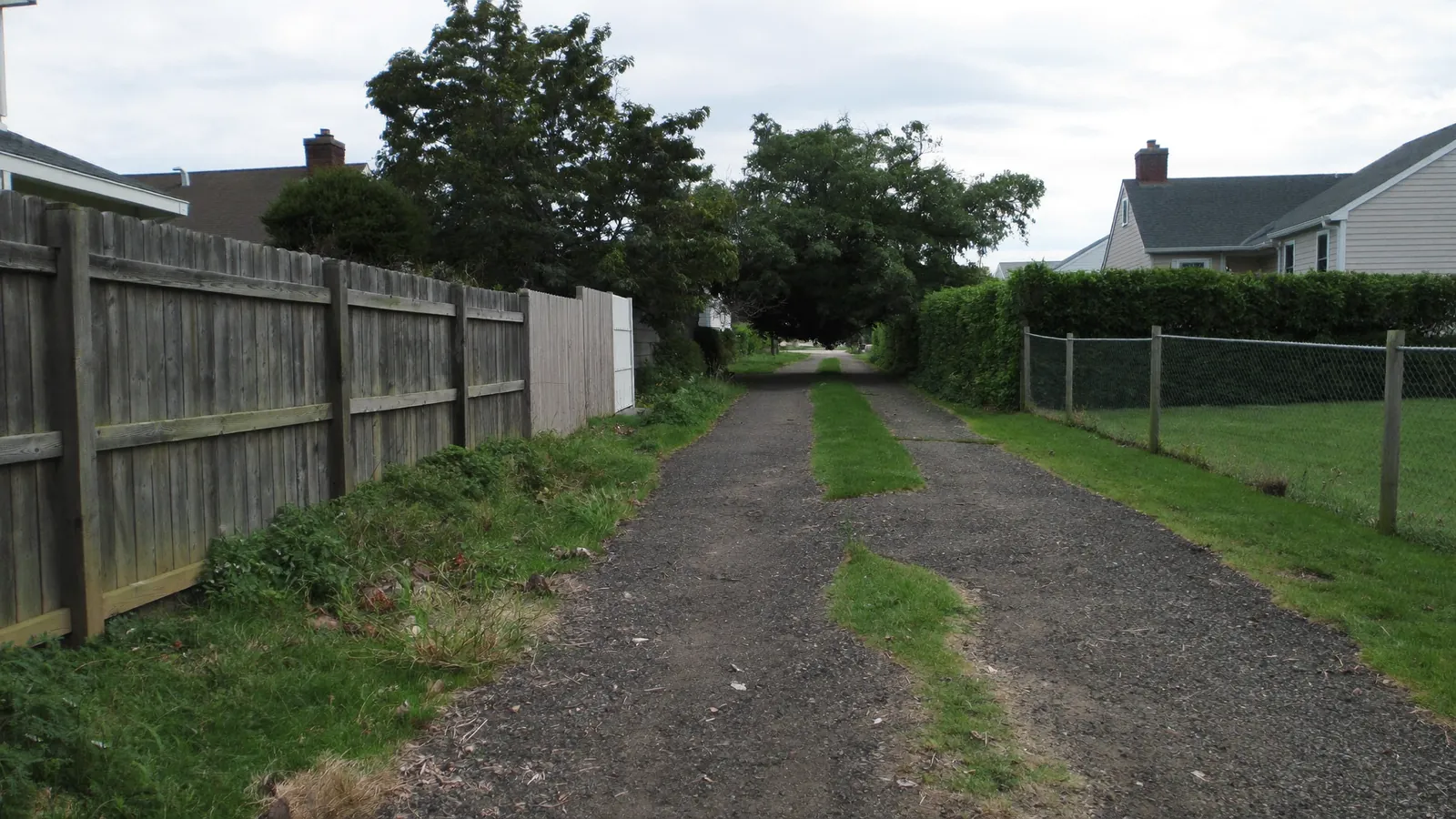
Does an easement automatically allow installing an EV charger circuit across it?
Not automatically. An easement grants a right to use land for a specific purpose -- most commonly ingress and egress, meaning passage -- and that purpose doesn't by itself include the right to install a fixed improvement like buried conduit or a charging pedestal unless the easement's own language covers it. Running an EV charger circuit across a shared or private easement driveway is a private-property-rights question first and an electrical-permitting question second.
What determines what an easement's scope actually covers?
The words of the document that created it, or the pattern of use by which it was established -- not a general assumption about what seems reasonable. California's Civil Code states this directly: 'The extent of a servitude is determined by the terms of the grant, or the nature of the enjoyment by which it was acquired.' Many states recognize a similar general principle, though this article verified only California's own codified version, so the actual recorded easement document for your specific driveway -- not this article -- is where your real answer lives.
Ingress-and-egress easements vs. utility easements: a real difference
The most common private easement over a shared driveway is for ingress and egress -- the right to drive and walk across it -- and that is a narrower grant than a utility easement, which is written specifically to allow buried lines, poles or conduit.
| Easement type | Typical purpose stated in the grant | Does it typically cover buried conduit for a private EV charger circuit? |
|---|---|---|
| Ingress and egress easement | Passage on foot or by vehicle across the described strip of land | Not usually, unless the grant's own language separately allows it |
| Utility easement | Installation and maintenance of specified utility lines, often for a utility company or a shared service | Sometimes, if the grant's language is broad enough to cover the specific line -- read the actual document |
Does the local permit process check whether you have the right to install anything there?
Sometimes, and it varies by jurisdiction rather than being a uniform rule. Some building and electrical permit offices ask for proof of legal access or an owner's signature before permitting work on land the applicant doesn't own outright, including a shared easement; others process the electrical permit without checking the private-law question at all, leaving that risk entirely on the homeowner. Either way, a permit is not evidence that the easement covers the work -- it only confirms the electrical installation itself meets code.
Who has to consent before conduit crosses a shared easement driveway?
Whoever else holds rights in that easement, and often the underlying landowner too if the easement crosses land you don't own. A shared driveway easement commonly involves at least one neighboring property that also has the right to use it, and installing a fixed improvement like conduit typically needs that party's written agreement, not just a verbal understanding -- because the easement travels with the property through a future sale, and an undocumented change can become the next owner's dispute.
What if the other easement holder says no?
Then the charger's route needs to change, because installing conduit without consent risks a real property dispute, not just an inconvenience. The alternatives are running the circuit entirely within land you own outright even if that means a longer or more expensive run, negotiating a written easement amendment or license specifically for the conduit, or checking whether an overhead or surface-mounted route avoids the disputed area altogether. An electrician can price the alternatives once the legal question is settled, not before.
Can I run EV charger conduit across a shared driveway without asking anyone?
Not safely, even if the driveway is covered by an easement you hold rights in. An easement's scope is set by the document that created it or the pattern of use by which it was acquired, not by what seems reasonable to you -- and most ingress-and-egress easements don't automatically cover a buried fixed improvement. Get written consent from anyone else with rights in that easement before trenching, separate from whatever the electrical permit requires.
What determines what an easement actually allows?
The terms written in the document that created it, or the pattern of use by which it was established -- not a general sense of what seems fair. California's Civil Code states this directly: the extent of a servitude is determined by the terms of the grant or the nature of the enjoyment by which it was acquired. Many states recognize a comparable principle. The recorded easement document for your own driveway, not a general article, is where the real answer is.
Is a utility easement the same as an ingress-and-egress easement?
No -- they're written for different purposes and typically allow different things. An ingress-and-egress easement grants passage on foot or by vehicle across a described strip of land, and usually says nothing about buried lines. A utility easement is written specifically to allow installing and maintaining lines like conduit, often for a utility company or a shared service. A shared driveway can carry one, both, or neither, depending entirely on what the recorded document actually says -- check the deed records, not the driveway's appearance.
Does getting an electrical permit prove I'm allowed to install conduit on the easement?
No. A permit confirms the electrical work itself meets code; it says nothing about whether you have the private-law right to install anything on a shared or private easement. Some permit offices ask for proof of legal access before issuing a permit for work on land the applicant doesn't own outright; others don't check at all, which leaves the private-law risk entirely on the homeowner even after a permit is issued and the inspection passes.
Who needs to sign off before I run conduit across a shared easement driveway?
Anyone else who holds rights in that same easement, and often the underlying landowner too if the easement crosses land you don't own outright. A shared driveway easement commonly involves at least one neighboring property with rights to use it, and a fixed improvement like buried conduit typically needs that party's written agreement, not just a verbal understanding, because the easement travels with the property through a future sale and an undocumented change can turn into the next owner's dispute.
What are my options if the other easement holder won't consent to conduit?
Three real alternatives, in order of simplicity. Run the circuit entirely within land you own outright, even if that means a longer or more expensive route; negotiate a written easement amendment or license specifically covering the conduit; or check whether an overhead or surface-mounted route avoids the disputed area of the driveway altogether. Price these with an electrician only after the legal question is settled -- routing decisions made before that tend to get redone once consent falls through.
This article states a general common-law principle about easement scope and confirms it against one state's own statute (California Civil Code section 806, fetched directly). It is not a state-by-state legal survey. No dollar figure is asserted; the electrical work itself is priced the same as any driveway or exterior circuit run.
Price the circuit once the route is settled
Tell the estimate tool where your panel sits and where you want to charge, and it shows the installed range for the route you actually have the right to use.